What “Full Set” Really Means in Pre-Owned Watches (And When It Matters)
In the pre-owned watch market, few phrases carry as much weight as "full set." It signals completeness, originality, and often, higher value. But what does it actually mean? And more importantly, when does it matter?
The answer depends on the watch, the buyer, and what you plan to do with it. Sometimes a full set is essential. Other times, it's optional. And occasionally, it's irrelevant.
Understanding the difference can save you money, sharpen your buying decisions, and help you focus on what truly matters.
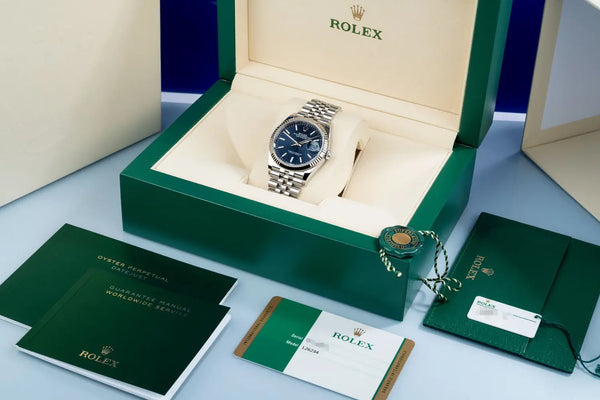
What "full set" actually includes
A full set typically refers to a watch sold with:
- Original box (inner and outer, if applicable)
- Papers (warranty card, certificate of authenticity, or receipt)
- Accessories (extra links, tools, manuals, hang tags)
Sometimes "full set" is used more loosely to mean "box and papers," even if minor accessories are missing. Other times, it's interpreted strictly: every single item that came with the watch when new.
Context matters. Always confirm what's included before assuming.
Why full sets command a premium
A full set provides reassurance. It confirms the watch's origin, documents its history, and signals that previous owners cared enough to keep everything.
For certain watches, especially modern luxury sports models from Rolex, Patek Philippe, and Audemars Piguet, full sets can significantly affect resale value. Buyers in those markets often prioritize completeness, and the premium reflects that demand.
But premium doesn't always mean necessity. It means preference.
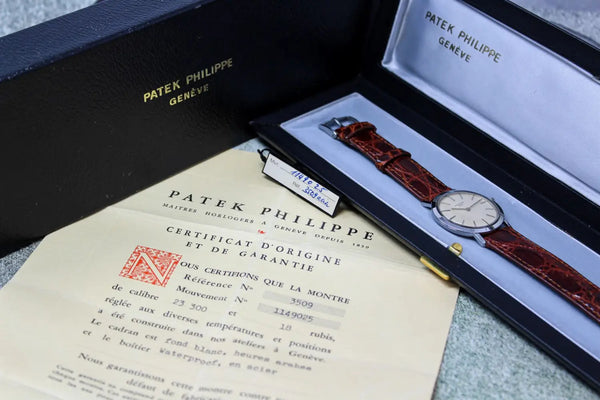
When a full set actually matters
Modern luxury sports watches
For current or recent Rolex sports models (Submariner, Daytona, GMT-Master II), Patek Philippe Nautilus, or AP Royal Oak, a full set can add thousands to the value. These watches are heavily traded, and buyers in that market expect documentation.
If you plan to resell later, the papers matter. If you're buying to keep, they matter less. Learn more about investing in luxury watches.
Investment-grade vintage pieces
Rare vintage watches (especially first editions, prototypes, or historically significant references) benefit enormously from complete provenance. A full set adds credibility and often commands multiples of a watch-only example.
But this applies to a narrow slice of the market. Most vintage watches don't fall into this category.
Watches with unique customization or limited editions
For limited releases, collaborations, or bespoke pieces, the papers confirm authenticity and rarity. Without them, provenance becomes harder to verify, and value suffers accordingly.
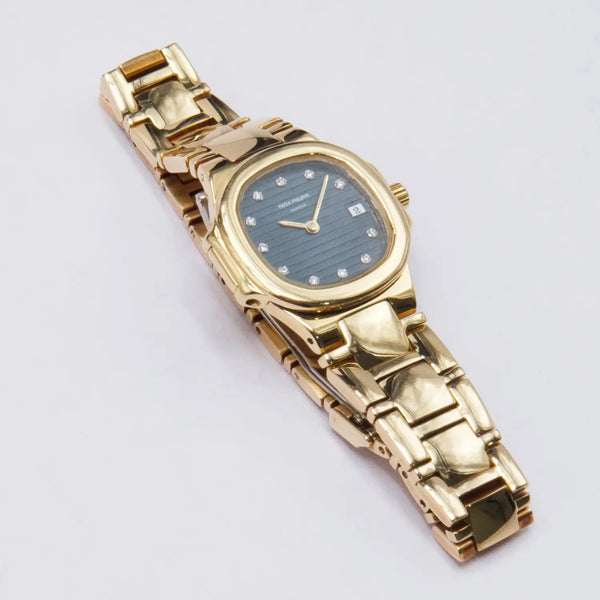
When a full set is optional
Well-known vintage references
Vintage Rolex Submariners, Omega Speedmasters, and other widely recognized models are often bought and sold without papers. Authenticity can be verified through serial numbers, case construction, and movement examination.
A full set is nice to have, but originality of the watch itself (dial, hands, case condition) often matters more to serious collectors. Read our guide on understanding Rolex serial numbers for authentication.
Daily wearers you plan to keep
If you're buying a watch to wear, not to flip, the emotional value often outweighs the paperwork. A beautiful watch is still beautiful whether or not the original warranty card exists.
The box provides safe storage. The papers provide reassurance. But neither changes how the watch wears on your wrist.
**Dress watches and complications**
For non-sports luxury watches (dress pieces, perpetual calendars, minute repeaters), originality and condition tend to matter more than complete packaging. Serious buyers focus on the watch itself.
Papers help, but they're less central to value than in the sports watch market.
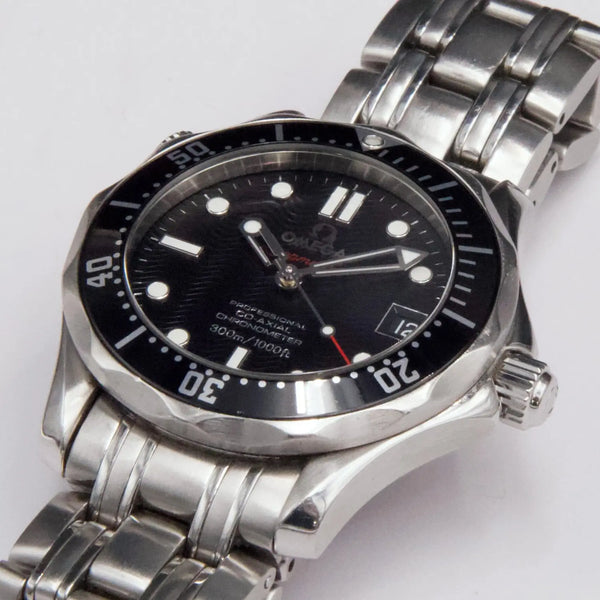
When a full set doesn't matter much
Tool watches with documented service history
If a Rolex Submariner has been serviced multiple times by authorized centers, and you have service receipts confirming authenticity, the absence of original papers becomes less critical.
Authenticity is still verified. Ownership is documented. The watch's story is intact, even if the original paperwork isn't.
Watches where originality is compromised
If a watch has a service dial, replaced hands, or re-finished case, the presence of original papers doesn't restore originality. In fact, it can create confusion. Papers suggest factory condition, but the watch no longer matches.
In these cases, the watch's actual state matters more than what the paperwork implies.
Entry-level luxury or microbrands
For watches under $5,000 (Tudor, Longines, Oris, Baltic), the market is less obsessed with complete sets. Buyers focus on condition and price. Papers are a nice bonus, but rarely a deal-breaker.
The risks of prioritizing papers over condition
Some buyers fixate on full sets and overlook the watch itself. This can lead to poor decisions: paying a premium for paperwork while accepting mediocre condition.
A watch-only example in excellent original condition is often a better buy than a full set with a refinished case, replacement dial, or questionable service history.
Papers don't fix problems. They just document what was supposed to be there.
How to evaluate a watch-only purchase
Verify authenticity independently
Have the watch examined by a qualified watchmaker or trusted dealer. Serial numbers, case construction, and movement details can confirm legitimacy without papers.
Check service history
Service receipts from authorized centers or reputable independents add credibility. They also prove the watch has been cared for, which matters more long-term than original paperwork.
Consider the seller's reputation
Buying from an established dealer or collector with a strong track record reduces risk. Their reputation substitutes for missing documentation.
Final thought
A full set is valuable, but it's not always necessary. What matters depends on the watch, your goals, and the market you're buying into.
For modern sports watches with strong resale demand, a full set makes sense. For vintage pieces you plan to keep, originality and condition often matter more. And for many mid-tier watches, papers are simply a nice-to-have.
The key is understanding what you're actually buying: the watch, the documentation, or the reassurance. Sometimes all three align. Other times, you're better off choosing what truly matters and letting the rest go.
If you're ready to explore pre-owned luxury watches with transparent authentication and condition reporting, browse Phigora's curated collection.