Common Red Flags When Buying Watches Online and Why It’s Important To Buy From A Trusted Seller
The online luxury watch market has matured. Prices are more visible than ever, access is global, and once-unthinkable references now change hands with a few emails and a wire transfer. For collectors and first-time buyers alike, the internet has become the primary marketplace.
But ease of access doesn't equal safety. The most common mistakes made when buying watches online aren't dramatic scams. They're quiet oversights. Small details missed. Assumptions made. Context ignored.
Knowing what to look for, and who to buy from, makes all the difference.
Prices that feel too good to be true
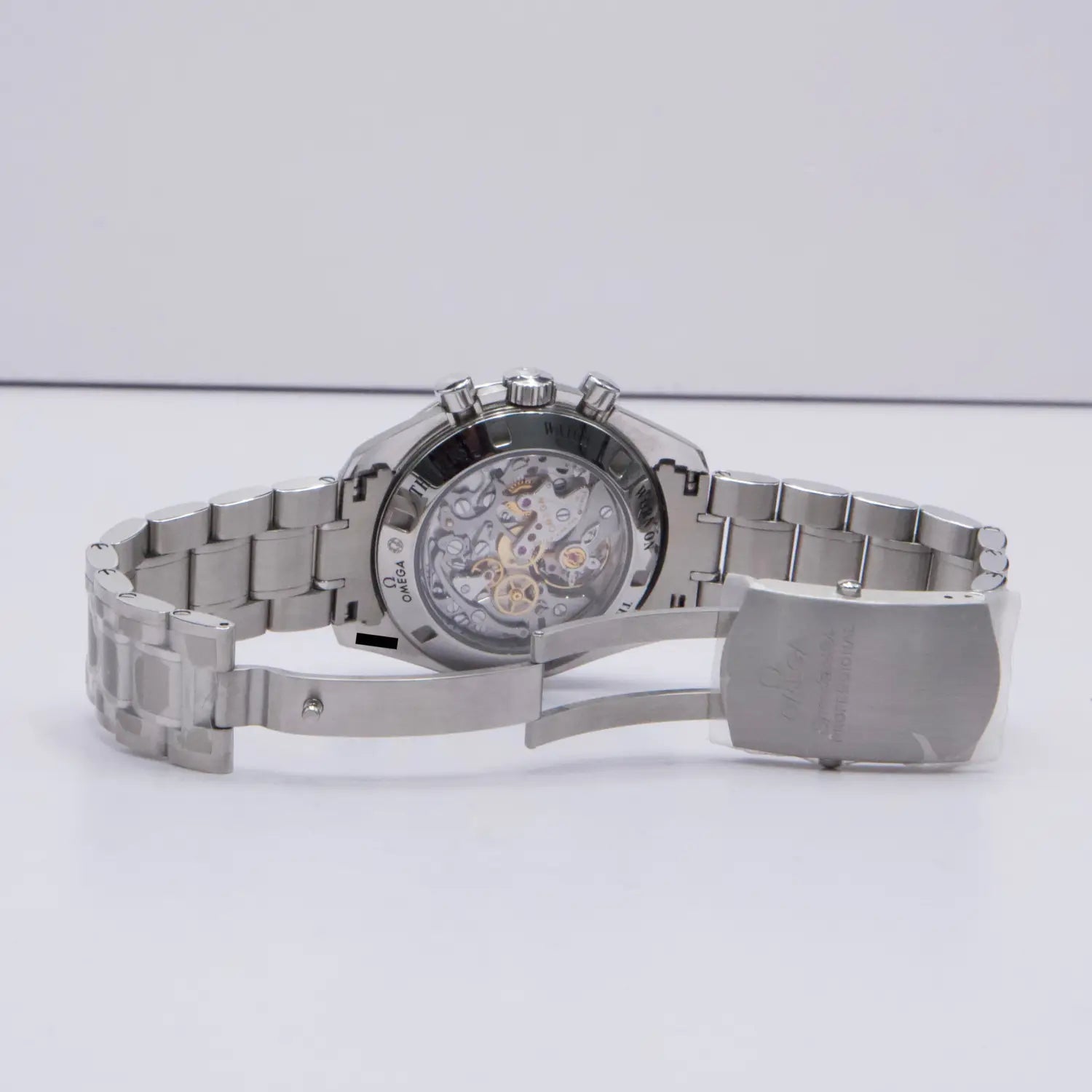
Every buyer hopes to find a deal. But luxury watches, especially from brands like Rolex, Patek Philippe, or Audemars Piguet, trade within relatively tight value bands. When a price sits far below market, it's rarely generosity.
Often, the issue isn't that the watch is fake. It's that something isn't being said. Polished cases, replacement dials, mismatched parts, or mechanical issues can all hide behind a tempting number. A trusted seller prices watches according to condition, originality, and demand, not to bait attention.
Descriptions that say very little
"Running well" is not a condition report. Neither is "excellent for its age." Vague language can be a sign that the seller hasn't inspected the watch thoroughly, or doesn't want to.
A reputable seller will describe what they see, not what they hope. That includes scratches, wear, service needs, and any deviations from factory originality. Clarity builds confidence. Ambiguity erodes it.
Listings that rely on stock images
Luxury watches are individual objects. Two examples of the same reference can feel completely different on the wrist depending on case condition, dial aging, bracelet stretch, or prior polishing.

If a listing uses generic images, or images that don’t clearly show the exact watch being sold, you’re missing critical information. Trusted sellers photograph the actual piece, often extensively, because they understand buyers need to see before they decide.
Unclear provenance or missing details
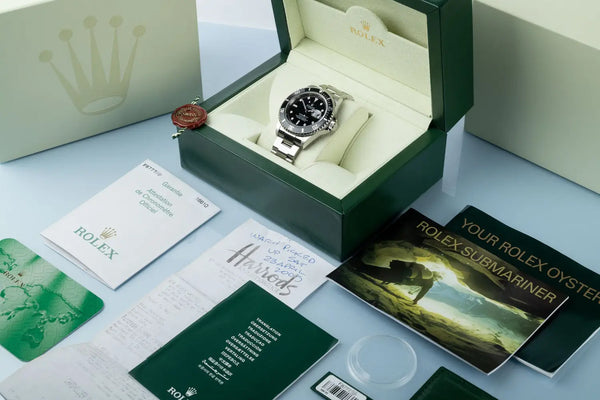
Box and papers are helpful, but transparency matters more. Is the watch a full set or watch only? Has it been previously sold by the same dealer? Are serial numbers intact and verifiable?
A seller who hesitates when asked about provenance isn't necessarily hiding something, but it's your cue to slow down. Reputable sellers know their inventory and are comfortable discussing its history. Learn more about what "full set" really means. Reputable sellers know their inventory and are comfortable discussing its history.
No mention of service or inspection
Mechanical watches are not static objects. Oils degrade, parts wear, and accuracy drifts. If a seller can’t explain whether a watch has been serviced, or at least inspected by a qualified watchmaker, you may be inheriting an immediate expense.
Trusted sellers authenticate and evaluate watches before listing them. Many service pieces proactively or clearly disclose when service is recommended. That honesty protects buyers from surprises.
Artificial urgency and pressure
Scarcity is real in watch collecting, but pressure rarely is. Statements like “another buyer is ready” or “price goes up tomorrow” are signals to pause, not proceed.
A serious seller understands that buying a luxury watch is a considered decision. They answer questions, provide details, and let the watch speak for itself.
Weak or nonexistent return policies
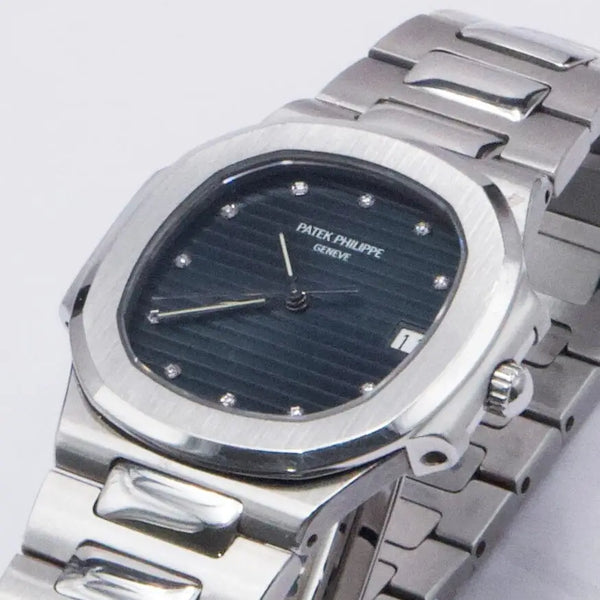
Even the best photographs can’t replicate how a watch feels on the wrist. Size, weight, and presence matter. Sellers who don’t offer clear return terms place all the risk on the buyer.
Trusted sellers stand behind their watches with defined return windows and post-sale support, not because they expect problems, but because they value long-term relationships.
Why buying from a trusted seller matters
A trusted seller does more than facilitate a transaction. They act as a gatekeeper, filtering out compromised watches, verifying authenticity, and presenting pieces honestly.
In a market where condition, originality, and service history directly affect value, trust becomes part of the product itself. It's the difference between a watch you enjoy and one you second-guess.
Phigora authenticates and grades every watch with in-house watchmakers, providing transparent condition reports and verified authenticity for every piece. It’s the difference between a watch you enjoy and one you second-guess.
Final thought
Buying a luxury watch online isn't about avoiding risk entirely. It's about managing it intelligently. The right seller doesn't eliminate uncertainty, but they reduce it dramatically.
When the details are clear, the watch is understood, and the seller is accountable, buying online becomes what it should be: considered, confident, and genuinely enjoyable.