Watch Maintenance and Servicing: How to Keep Your Luxury Timepiece in Top Condition
A luxury watch is more than a timekeeper. It is a finely crafted piece of engineering, a marriage of mechanics, artistry, and history. Whether it’s a Patek Philippe Calatrava, a Rolex Submariner, or a complicated independent watch, these machines are designed to endure decades, but only if cared for properly. Even the most meticulously built watches are vulnerable to wear, aging lubricants, and environmental factors. Understanding maintenance and servicing is key to keeping a timepiece accurate, functional, and visually pristine.
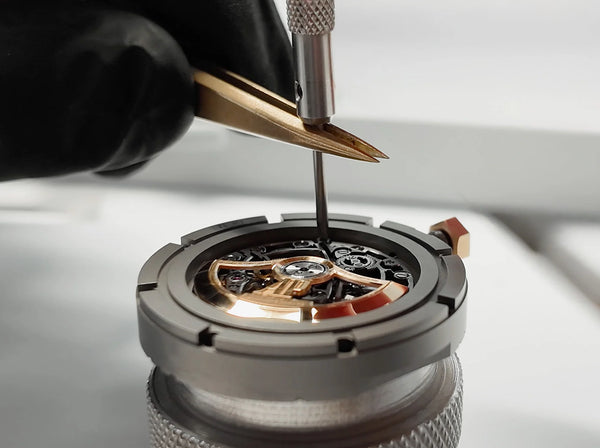
Why Servicing Matters
Mechanical watches are composed of hundreds of tiny, moving components. Lubricants dry over time, gaskets wear, and small parts accumulate microscopic friction. Without intervention, this can lead to decreased accuracy, mechanical stress, and expensive repairs. Regular servicing ensures:
- The movement is cleaned, oiled, and adjusted for precision.
- Water-resistance is maintained by replacing gaskets.
- The case and bracelet retain their polish and finish.
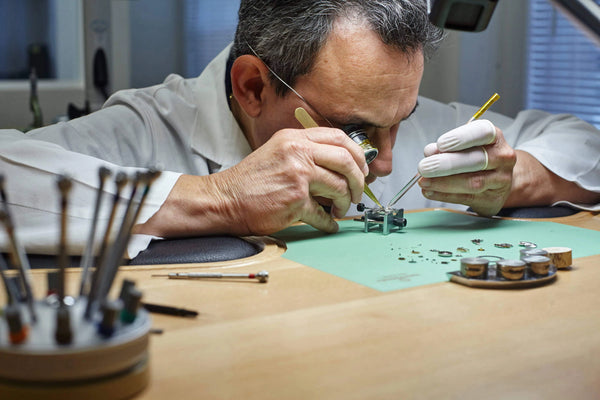
Most brands recommend a full service every 4–5 years, though watches with complications such as chronographs, perpetual calendars, or minute repeaters may require more specialised attention. Servicing not only preserves mechanical integrity but also safeguards resale value a well-documented service history can increase a watch’s appeal to collectors.
Daily Maintenance and Care
Even outside of formal servicing, there are steps every owner can take to protect their watch:
1. Winding and Wearing:
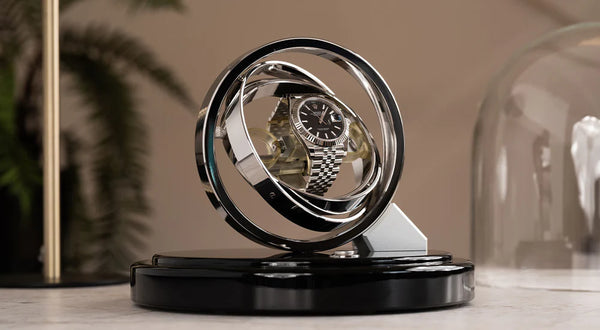
- Automatic watches should be worn regularly to keep the lubricants flowing. If the watch isn’t worn daily, consider a watch winder to maintain power.
- Manual-wind watches should be wound gently at the same time each day. Over-winding can stress the mainspring.
2. Cleaning:
- Use a soft, lint-free cloth to wipe down the case and bracelet after wear.
- For water-resistant models, a gentle brush and mild soap can remove dirt or sweat. Always ensure the crown is securely screwed down before cleaning.
3. Storage:
- Store watches in a dry, temperature-stable environment away from strong magnetic fields.
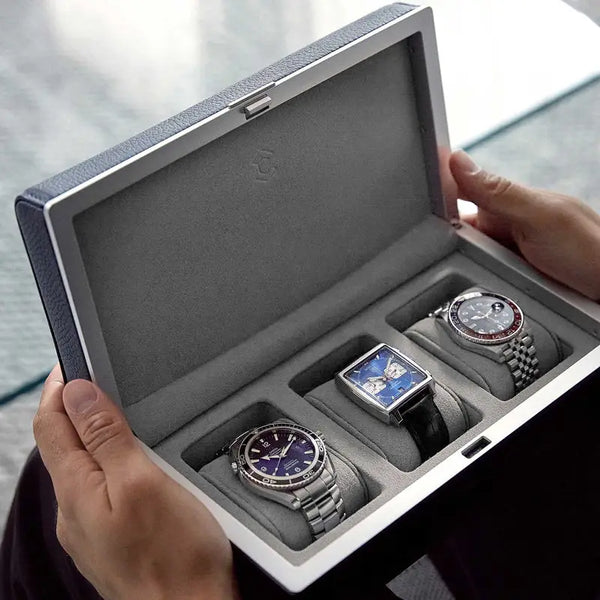
- Use a watch box or travel roll to prevent scratches, especially if you rotate multiple watches.
Special Considerations for Complicated Watches
Complicated watches, such as those with moon phases, perpetual calendars, or chronographs require additional care.
- Avoid adjusting date or moon-phase indicators between 8 pm and 4 am, when the mechanism engages.
- Reset chronographs only when the watch is stopped.
- Avoid DIY repairs. Even seemingly small adjustments can damage delicate gears or cams.
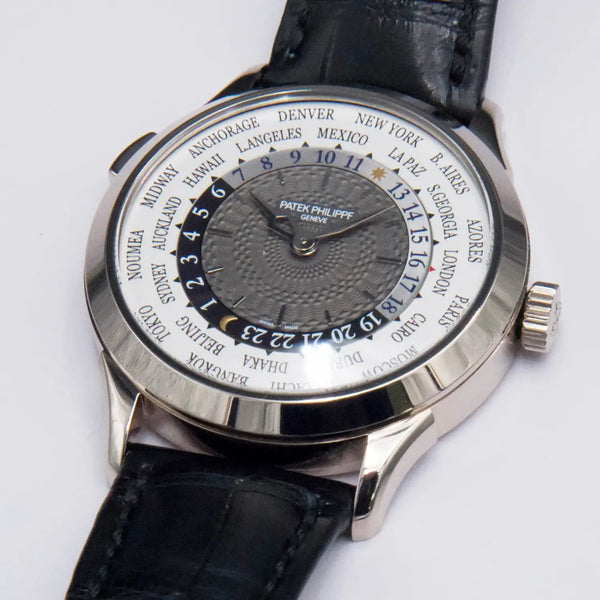
Collectors often note that the more complications a watch has, the more carefully it must be handled. A simple habit like setting the watch outside the “danger zone” for date changes can prevent damage that would otherwise require costly repair.
Water-Resistance and Gaskets
Many luxury watches are water-resistant, but that is not permanent. Gaskets degrade, seals lose elasticity, and pressure resistance diminishes over time. Regular servicing includes gasket replacement and pressure testing to restore water-resistance. Even so:
- Avoid hot showers, saunas, and sudden temperature changes.
- If a watch is frequently exposed to water, have the seals checked at least once every 2–3 years.

By treating water-resistance as a maintenance requirement rather than a guarantee, you protect both performance and longevity.
Choosing the Right Service Provider
Not all watch servicing is equal. Options include:
- Manufacturer-authorized service centres: These provide original parts, technical expertise, and warranty coverage. Ideal for modern watches under warranty or highly complicated pieces.
- Independent watchmakers: Many have decades of experience and are especially useful for vintage or discontinued watches that manufacturers no longer support.
Always request service records. Not only does this demonstrate responsible ownership, but it also increases the watch’s long-term value for collectors or resale.
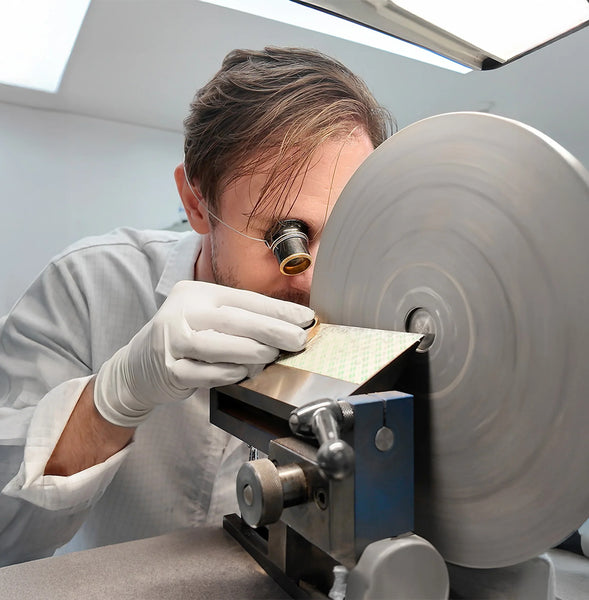
Polishing and Cosmetic Care
Polishing is tempting after years of wear, but overdoing it can remove case material and alter original lines. Minimal, careful polishing preserves the watch’s proportions while removing scratches. For collectors, leaving minor patina is often preferred as it maintains authenticity.
Long-Term Benefits
Regular maintenance isn’t just about keeping time accurately. Proper care preserves aesthetics, mechanical integrity, and value. A watch that receives routine attention will outlast decades of wear, becoming a family heirloom or collector’s treasure.
Even a simple daily habit, such as wiping the watch after wear, storing it carefully, or being mindful when winding, compounds over years. Together with periodic servicing, it ensures your luxury watch remains as precise and beautiful as the day it left the manufacture.
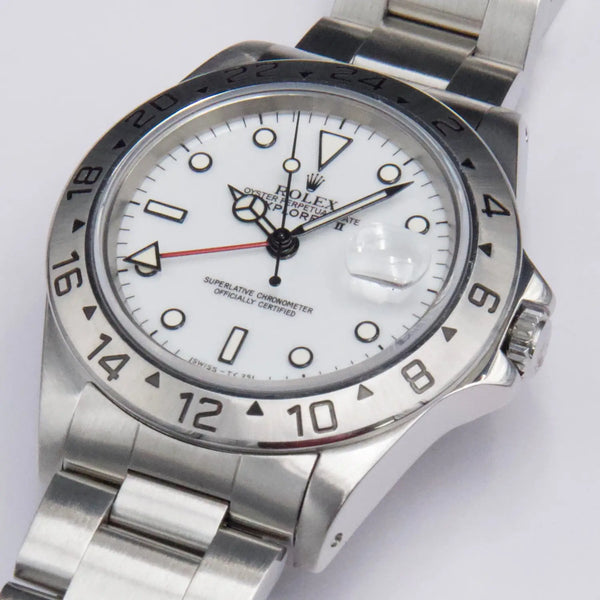
A luxury watch is a companion for life. With mindful handling, regular servicing, and attention to detail, it will remain reliable, elegant, and meaningful for decades. Treat it with care, and it won’t just measure time; it will measure memories.