How To Calculate The the ROI on Pre-Owned Luxury Watches?
Most people don’t buy their first luxury watch thinking about return on investment. They buy it because it feels right, the weight, the design, the idea that it might stay with them for a long time. return on investment usually enters the conversation later, often the first time someone casually asks, “So… what’s it worth now?”
That question is where things get interesting.
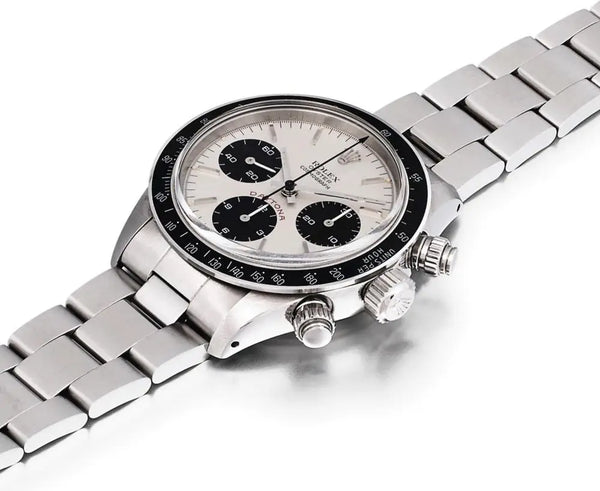
Because watches don’t behave like traditional investments. They age, they travel, they get serviced, and they collect stories along the way. Calculating ROI in the pre-owned watch world isn’t about spreadsheets as much as it’s about understanding context.
What You Really Paid vs What You Really Own
The true cost of a watch isn’t just the number on the receipt. It’s everything that came after: the service you didn’t want to delay, the bracelet link you had to track down, the peace of mind of an authenticity check.
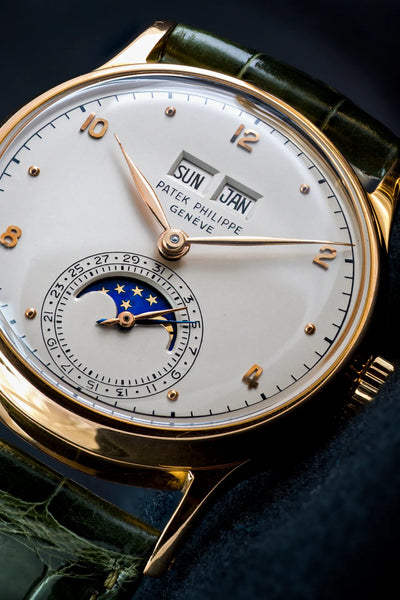
Collectors often forget that ownership has layers. Two identical watches can have wildly different outcomes depending on how they were cared for. One is sharp, honest and complete. The other… less so.
ROI starts with honesty.
Market Value Is a Moving Target
Watch value is rarely fixed. It drifts quietly with taste, supply, and timing. A reference that sat overlooked five years ago can suddenly become “obvious” once the industry’s spotlight shifts.
That’s why ROI in watches is less about predicting the future and more about reading the present. The real value of a watch isn’t what someone hopes to get; it’s what people are actually paying when the sale is done.
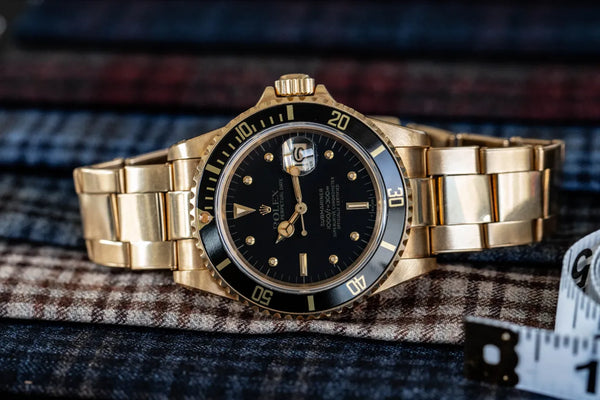
Collectors who understand this tend to make calmer, smarter decisions. They don’t chase peaks. They recognise when a watch feels fairly priced, and when it feels stretched.
Selling Changes the Equation
The moment you decide to sell, the story changes. Fees, spreads and convenience all have a say. A private sale might bring a better return but demand patience and confidence. A dealer sale trades upside for simplicity.
Neither is wrong, but both affect ROI. The smartest collectors factor this in before they buy, not after.
The Part That Numbers Miss
Here’s the part most ROI discussions leave out: time enjoyed.
A watch worn regularly, enjoyed fully, and sold years later at breakeven has arguably delivered a better return than a watch that appreciated in a safe. The emotional dividend matters. Watches are rare objects that can be both used and preserved, and that duality is where their real value
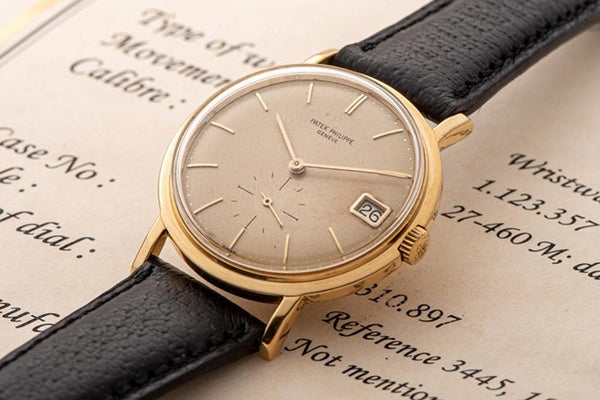
ROI Myths That Trip Up First-Time Buyers
Myth 1: All Rolex Watches Are “Safe Investments”
Rolex has extraordinary brand power, but not every reference behaves the same way. Condition, production era, dial configuration and completeness matter far more than the crown on the dial.
Myth 2: Appreciation Happens Automatically Over Time
Time alone doesn’t create value. Watches that appreciate tend to do so because they sit at the intersection of design, scarcity and relevance. Many watches simply track inflation, and that’s not failure, it’s stability.
Myth 3: Polishing Doesn’t Affect Value
It does. Sharpened edges, defined chamfers and original case geometry are crucial to long-term value, especially for collectors. A heavily polished watch may wear beautifully, but it often carries a quiet penalty when it comes time to sell.

Myth 4: Box and Papers Are Just Nice Extras
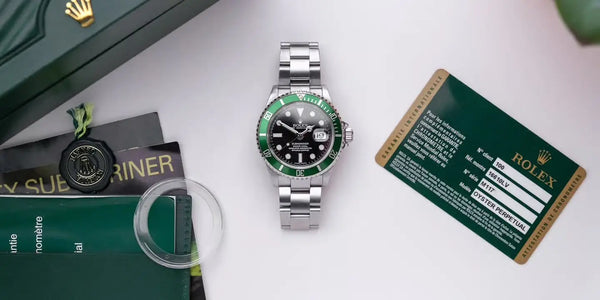
They’re not essential, but they are powerful. A full set doesn’t just improve resale value, it widens your buyer pool. When two identical watches exist, the complete one almost always wins.
Myth 5: Watches Should Be Treated Like Financial Assets
The fastest way to miscalculate ROI is to treat a watch like a stock. Watches reward patience, taste and restraint. The best outcomes usually come to people who buy what they genuinely want to wear, not what they hope will
Why Pre-Owned Still Makes Sense
Pre-owned watches often enter the story after the sharpest depreciation has already passed. That initial drop, the one that happens the moment a watch leaves a boutique, is someone else’s problem.
For the right buyer, that creates balance. You’re not buying hype; you’re buying maturity. Proven designs. Known references. Watches that have already earned their place.
Calculating return on investment on a pre-owned luxury watch isn’t about chasing profit. It’s about understanding the relationship between money, time and enjoyment. If you buy well, care properly, and sell thoughtfully, the numbers usually take care of themselves. And if they don’t? At least you spent your time wearing something worth remembering.
Shop our range of luxury watches now!